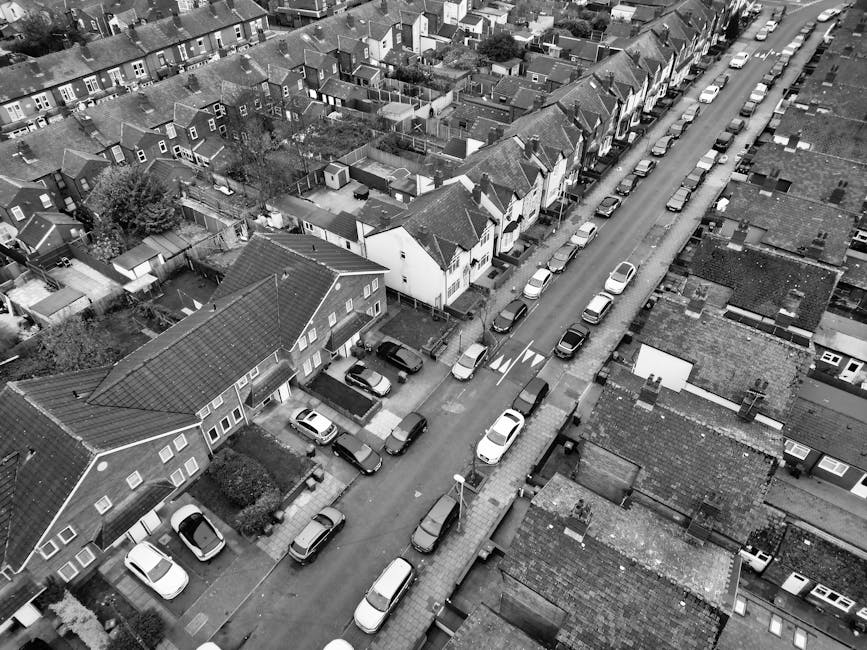
Nightingale Lane Removals Access Tips for Narrow Streets
If you are planning a move on Nightingale Lane, the access issue is probably already on your mind. Narrow streets, parked cars, awkward bends, and limited turning space can turn a simple removal day into a slow, stressful one. The good news? With the right preparation, Nightingale Lane removals access tips for narrow streets can make the whole process far smoother, safer, and far less chaotic than people expect.
This guide is for anyone moving in or around a tight residential street where a large van may not glide in neatly and everyone is watching the clock. We will cover how access planning works, what to check before moving day, how to reduce delays, and when a smaller vehicle or staggered loading plan is the smarter option. Truth be told, narrow-street moves are rarely difficult because of one big problem - it is usually a handful of small ones that stack up.
One step at a time, though. If you get the access right, everything else feels easier.
Why Nightingale Lane removals access tips for narrow streets Matters
Narrow streets change the rhythm of a move. A removal team can be efficient, organised, and fully prepared, but if the road is too tight for easy stopping or the van cannot get close enough, every lift takes longer. That extra distance matters more than people think. A few metres on paper can feel like a hundred when you are carrying a sofa, a mattress, or a box of books up and down a front path in the drizzle.
On streets like Nightingale Lane, access planning is not just about convenience. It affects safety, timing, parking, and even the condition of your furniture. If the crew has to reverse repeatedly, block traffic briefly, or work around a tight pavement, the chance of knocks and delays rises. Nobody wants a mirrored wardrobe meeting a lamppost. Nobody.
There is also the human side of it. Neighbours may be parked closely, bin collections may narrow the road further, and one badly placed van can create a domino effect. A move that would be simple on a wider road needs more thought here, and that is exactly why a practical access plan is worth the effort.
For many people, this is also the point where service choice starts to matter. A smaller vehicle, a man-and-van arrangement, or a phased loading plan may suit a narrow street better than sending in a larger removal truck and hoping for the best. If you are weighing up options, it may help to look at the structure of removal services and how different approaches fit different streets.
How Nightingale Lane removals access tips for narrow streets Works
Good access planning starts before the van arrives. The process is really about matching the vehicle, the timing, and the loading method to the street itself. On a narrow road, the main question is simple: how close can the van get to your door without causing a problem for anyone else?
In practice, the answer depends on four things:
- the width of the road and any pinch points
- where safe stopping or parking is actually possible
- how much furniture and packing needs moving
- whether the property has stairs, steps, or a shared entrance
A removal team will usually try to reduce the walking distance between the front door and the vehicle. If that is not possible, they plan around it. That might mean using a smaller van, working in sections, setting up a shuttle load, or placing the vehicle where it can remain legal and safe, even if it is not directly outside the house.
If the move is from a flat or maisonette, the access considerations can become more layered. Shared hallways, tight turns, and stairwells can be just as awkward as the road outside. In those cases, services such as flat removals or home moves can be a better fit than a one-size-fits-all approach.
One small but useful detail: access planning should include the route at both ends of the move, not just Nightingale Lane itself. People often focus on the loading address and forget the unloading side can create its own problems. That bit catches people out more often than it should.
Key Benefits and Practical Advantages
Taking access seriously gives you more than a tidy moving day. It improves the quality of the whole move.
- Less wasted time: When the van can park sensibly and loading is planned, the team spends less time shuttling items back and forth.
- Lower risk of damage: Shorter carries mean fewer chances for bumps, scuffs, and awkward handling.
- Safer working conditions: Narrow roads can leave little room for pedestrians, cyclists, and passing vehicles. A better plan reduces risk for everyone.
- Less disruption to neighbours: Careful parking and clear communication make a big difference on tight residential streets.
- Better use of the right vehicle: Sometimes the smartest move is not the biggest van. It is the best-suited van.
There is another quiet benefit too: peace of mind. Once you know where the vehicle can stop, how the loading will happen, and what to do if the street is busier than expected, you stop imagining every possible disaster. That alone is worth quite a lot on moving week.
If you are moving within London and need a flexible setup, a man and van service can be especially practical for tighter access, lighter loads, or short local hops where agility matters more than sheer capacity.
Who This Is For and When It Makes Sense
This advice is useful for anyone moving on or near a narrow residential lane, but it is especially relevant if any of the following apply:
- the road has parked cars on both sides
- there is limited space to turn a long vehicle
- the property sits on a terrace or in a row of closely packed homes
- you are moving from a top-floor flat or a building with tight stairs
- you have large, awkward, or fragile items
- you need the move done quickly with minimal disruption
It also makes sense if you are moving at a time of day when the street is likely to be busier. School runs, evening returns, bin days, and weekend traffic can all make access more awkward than it first appears. You will notice this more in person than on a phone call. Streets can look fine on a quiet Tuesday and feel completely different at eight-thirty on a Saturday morning.
For office equipment, filing cabinets, or shared workspaces, the same access logic applies. A business move on a tight road needs good scheduling and sensible vehicle selection. In those situations, office removals or commercial moves can offer the right kind of structure.
Step-by-Step Guidance
Here is a straightforward way to plan a narrow-street move without making it overly complicated.
-
Measure the access realistically.
Check the width of the road, the pavement clearance, any gates, and the distance from the front door to the most likely parking spot. If you can, take photos from both ends of the street. That gives a removal team a much clearer picture than a quick description ever will.
-
Identify pinch points early.
Look out for tight corners, resident-only parking, speed bumps, low branches, and areas where another parked car would make reversing awkward. Small details matter. A slightly angled driveway can be the difference between a smooth stop and an annoying three-point manoeuvre.
-
Choose the right vehicle size.
On narrow streets, bigger is not automatically better. A smaller van may make the move faster if it can park more easily. If you have a larger load, it might still be possible to use a bigger vehicle, but only if the route is genuinely suitable. A sensible provider will say so plainly.
-
Plan the loading order.
Put the items you will need first near the exit, and keep heavy or fragile pieces easy to reach. This helps avoid repeated trips back into the property when the van is parked a bit further away than ideal.
-
Reserve time for the unexpected.
Street access can be fine in the morning and awkward by lunchtime. Leave a buffer. If the van needs to wait, or if neighbours need a moment to move a vehicle, that buffer saves stress.
-
Protect the items that are hardest to carry.
Use proper wrapping, blankets, and sturdy boxes for anything that will be lifted through a narrow entryway or around a tight stair bend. If you need help packing properly, packing and boxes support can make a real difference before move day even starts.
-
Keep communication simple on the day.
Make sure the driver or removal team knows who to call, where to wait, and what to do if the first parking choice is blocked. A five-minute conversation can prevent a half-hour wobble.
If you are moving quickly or working to a same-day deadline, access planning becomes even more important. In that case, same-day removals can still work well, but only if the load size and street conditions are honestly assessed.
Expert Tips for Better Results
Here are the details that often separate a smooth narrow-street move from a frustrating one.
- Use photos, not guesses. A few street photos tell the truth much better than memory. If in doubt, send more than one angle.
- Plan around the largest item. The sofa, wardrobe, piano, or mattress usually determines the access strategy, not the boxes.
- Keep hallways clear before the van arrives. A cluttered exit slows everything down and makes tight turns more stressful.
- Pack lighter boxes than you think you need. In narrow streets, smaller boxes are easier to carry safely and place without scraping walls.
- Allow for neighbour vehicles. One parked car can change the whole loading setup. It happens. More often than you'd like.
- Check whether split loads help. For some moves, two smaller trips are better than one overlarge vehicle trying to force the issue.
A useful rule of thumb: if a move starts feeling like a puzzle before the van has even arrived, simplify it. Narrow streets reward calm thinking. They punish improvisation. Fair enough, really.
For furniture-heavy moves, or when you need a quick collection from a home with limited frontage, furniture removals and furniture pick-up options are worth considering because they keep the process focused and efficient.
Common Mistakes to Avoid
Most access problems are preventable. The trouble is that people often only discover them on the day.
- Assuming a van will fit because a car does. Not the same thing at all. Vans need more width to manoeuvre safely.
- Ignoring loading distance. If the vehicle cannot stop at the door, your move needs an adjusted plan.
- Leaving parking too late. On tight streets, "we will sort it on the day" is not a plan. It is a gamble.
- Overpacking boxes. Heavy boxes slow down carrying and make stair work much riskier.
- Forgetting about residents and access lanes. Shared entrances and driveways can create real bottlenecks.
- Not checking item dimensions. A wardrobe that fits inside the house may still be awkward to get out of it.
There is also a quieter mistake: under-communicating. If the road has been recently resurfaced, if there is temporary roadworks nearby, or if a neighbour is expecting a delivery van at the same time, say so early. It sounds small, but it helps a lot.
Tools, Resources and Recommendations
You do not need specialist gear to plan a narrow-street move, but a few simple tools are very useful.
- Phone photos and short video clips: ideal for showing road width, entry points, and stair layouts.
- Tape measure: useful for checking the width of hallways, furniture, and gates.
- Marker labels: help identify boxes that need to come off first.
- Furniture covers and blankets: reduce the chance of scuffs in tight turns.
- Strong packing tape and quality boxes: especially important when lifting items longer distances.
From a service perspective, it is often sensible to look at a provider's wider support options before booking. If your move involves more than just lifting boxes, pages such as packing and unpacking services, storage, or house removals can help you build a move that fits the property, not the other way round.
If you are comparing moving formats, you may also want to review removal van options and understand whether a compact approach is a better match for Nightingale Lane than a larger vehicle. Sometimes the smallest sensible choice is the best one. Not glamorous, but effective.
Law, Compliance, Standards, or Best Practice
For a residential move on a narrow London street, the main compliance themes are simple: safe vehicle movement, respectful parking, proper manual handling, and avoiding unnecessary obstruction. Exact rules can vary by borough and by the road layout, so it is sensible to confirm local parking restrictions and keep the move within the law at the time you are doing it.
Best practice usually means the following:
- do not block access for emergency vehicles
- avoid unsafe reversing wherever possible
- use enough people for heavier items
- keep walkways as clear as possible
- protect neighbours' property and parked vehicles
For removal businesses, a good health and safety policy and appropriate insurance and safety arrangements matter because narrow streets leave less room for error. If you want to understand the company behind the service a little better, about us is a sensible place to start.
Where handling, loading, and access are concerned, careful preparation is the standard worth aiming for. No need to overcomplicate it. Just do the basics properly, and most of the stress falls away.
Options, Methods, or Comparison Table
Different access methods suit different types of narrow-street moves. Here is a simple comparison to help you decide what is likely to work best.
| Method | Best for | Advantages | Limitations |
|---|---|---|---|
| Small van with close parking | Light to medium domestic moves | Easier manoeuvring, less road pressure, quicker stop-start loading | May need more trips if the load is large |
| One larger removal vehicle | Moves where the road is wider than it first appears | Can carry more in one go | Harder to park and reverse in narrow streets |
| Split or shuttle loading | Very tight streets or restricted parking | Flexible and often safer | Can take longer and needs more coordination |
| Man and van arrangement | Smaller local moves, flats, student moves, or single-room relocations | Practical, nimble, and suited to awkward streets | Not ideal for full-house loads with many large items |
If you are moving from a smaller property or doing a lighter clear-out, student removals or man with van support may fit the street better than a full-scale truck. For business relocation, the decision is usually different again, and a proper office relocation services approach can help with timing and access control.
Case Study or Real-World Example
Imagine a typical move on a narrow Clapham lane: a two-bed flat, a sofa that looks harmless until you actually try to turn it, a couple of wardrobes, and boxes stacked in the hallway by 8:00 in the morning. The street is lined with parked cars, and the van cannot sit directly outside the building for long.
In a case like that, the team might park at the nearest safe point, carry the larger items first, and keep the boxes grouped by room so the unloading side stays organised. If one neighbour's car blocks the ideal stopping point, the team simply adjusts the sequence rather than forcing the issue. That is the difference between planning and improvising. It sounds obvious. It rarely feels obvious on the day.
In practice, the smoothest narrow-street moves are usually the ones where the customer has already made the path clear, labelled the rooms, and accepted that a small extra walk is part of the deal. The whole move becomes calmer. Less clatter, less backtracking, fewer "where did I put that?" moments. Much nicer for everyone.
For a fuller home move with packing support and predictable scheduling, house removalists can be a good fit when the access is tight but the job still needs proper coordination.
Practical Checklist
Use this checklist the day before your move. It is simple, but it works.
- Take photos of the street, front door, and any tight corners.
- Measure large furniture and compare it to doorway widths.
- Confirm where the van can safely stop.
- Check for parking restrictions, roadworks, or bin collection issues.
- Label fragile boxes and priority items clearly.
- Keep hallways, stairs, and entrances free of clutter.
- Set aside essentials you will need immediately after arrival.
- Share access notes with the moving team in advance.
- Have a backup plan if the nearest space is occupied.
- Keep keys, phone, and contact details easy to reach.
Quick takeaway: narrow streets do not have to mean a difficult move. They just need clearer planning, the right vehicle, and a realistic loading strategy. That is really the whole game.
Conclusion
Nightingale Lane removals access tips for narrow streets are ultimately about reducing friction. The smaller the margin for error, the more valuable good planning becomes. Measure honestly, choose a suitable vehicle, allow time for parking and loading, and keep the route as clear as possible. If you do those basics well, the move feels manageable instead of messy.
Not every street needs a big truck. Not every move needs a complicated plan. But narrow streets do reward the people who think ahead. And if you are preparing for a move in Clapham, that kind of calm preparation can make all the difference.
Get a free quote today and see how much you can save.
Frequently Asked Questions
What are the biggest access issues on Nightingale Lane during a move?
The biggest issues are usually parked cars, limited turning room, and the distance between the van and your front door. In a narrow street, even a short carry can slow the move down, so planning where the vehicle can stop matters a lot.
Should I book a small van or a larger removal truck?
It depends on the size of your load and how tight the street is. If parking and manoeuvring are difficult, a smaller van may actually be more efficient. A bigger vehicle only helps if it can access the property safely and legally.
How can I check if my furniture will fit through the access route?
Measure the widest points of your furniture, then compare them with the narrowest doors, hallways, stair turns, and external gates. Photos are useful too, especially for awkward items like wardrobes, sofas, and beds.
What if another car blocks the ideal parking spot on moving day?
That is quite common on narrow streets. A good plan includes a backup stopping point and a flexible loading sequence so the move can continue without a long delay.
Is a man and van service suitable for narrow streets?
Often, yes. A man and van setup can be ideal when access is tight or the move is smaller. It is usually easier to position than a larger vehicle, which can save time and reduce stress.
Do I need to tell the removal team about access problems in advance?
Absolutely. The more the team knows before arrival, the better they can plan the vehicle size, parking, and loading order. Surprises are rarely helpful on a moving day.
Can I still move on a narrow street if I have a lot of furniture?
Yes, but the move may need a more careful structure, such as split loading, a staged carry, or a smaller vehicle making more than one trip. Large items may also need extra protection during the carry.
What should I pack differently for a narrow-street move?
Keep boxes manageable rather than overfilled, and wrap awkward items well. Lighter boxes are easier to carry if the van cannot park directly outside. That little bit of restraint helps more than people expect.
Are there special rules for parking a van on a residential lane?
Parking rules can vary by location and time of day, so you should always check the restrictions that apply to the street on your move date. The safe approach is to plan legally and avoid blocking access unnecessarily.
How far in advance should I plan access for a move on Nightingale Lane?
As soon as you know the move date, ideally. Even a few days of preparation can make a major difference if the street is narrow or busy. Earlier is better, especially if you need a specific vehicle or time slot.
What if my move includes items like a piano or very heavy furniture?
Heavy or delicate pieces need more careful handling and more accurate access planning. If you have something like that, it is sensible to choose a service with suitable experience, such as piano removals, so the item is moved safely through the tightest parts of the route.
Where can I learn more about the company and service standards?
You can review the company background, policies, and service information through pages such as about us, insurance and safety, and pricing and quotes. That gives you a clearer picture of how the move will be handled.