Clapham removals near Clapham Common quick guide
Posted on 20/06/2026
If you're planning a move around Clapham Common, the useful part isn't just finding a van. It's knowing how to handle the tight streets, the parking quirks, the flat stairwells, and the general "this should be simple, but somehow isn't" reality of moving in London. This Clapham removals near Clapham Common quick guide is built to help you move faster, avoid common headaches, and make sensible decisions without overcomplicating things. Whether you're leaving a top-floor flat, moving into a family house, or just trying to get everything done before the weekend rush, a bit of local know-how goes a long way.
There's also a practical side to this: the better prepared you are, the smoother removal day usually feels. Less waiting around. Fewer awkward surprises. Fewer boxes wedged in the hallway while someone asks where the kettle went.
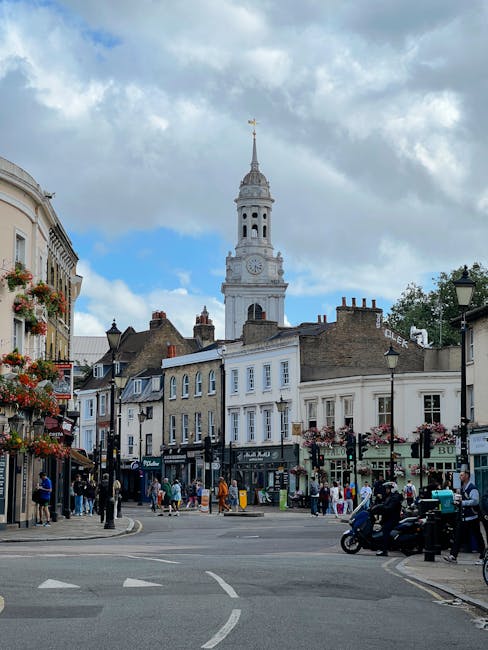
Why Clapham removals near Clapham Common quick guide Matters
Clapham Common is one of those places where the move itself can be more demanding than the distance suggests. You might only be shifting a mile or two, but London moves are rarely about miles. They're about access, timing, loading space, stairs, lift sizes, and whether your furniture can actually make the corner at the top of the landing without damage. Simple enough in theory. In practice, not always.
This matters because the local area has a mix of property types: mansion flats, converted terraces, newer apartments, and larger family homes. That means no single removal approach fits every move. A student move from a compact flat has very different needs from a full household relocation with wardrobes, sofas, and a piano nobody wants to carry downstairs three flights on a wet Tuesday morning.
It also matters because timing can be everything. Around Clapham Common, traffic build-up, school runs, and busy weekend patterns can affect how quickly a van gets in and out. If you plan well, you reduce the chance of delays, parking pressure, and last-minute panic. That's the difference between a move that feels controlled and one that feels like everyone is chasing one another with clipboards.
Practical summary: the best Clapham move is rarely the one with the biggest van; it's the one with the clearest plan, the right access, and the least amount of guesswork.
If you're still comparing options, it can help to look at broader local moving support such as removals in Clapham, or browse the wider services overview to see how different move types are typically handled.
How Clapham removals near Clapham Common quick guide Works
At a simple level, a removal service does three things: it plans the move, transports your items safely, and helps you get everything into the new place without chaos. But the detail matters. In Clapham, "how it works" often starts with a quick assessment of property access, item volume, and parking options before the vehicle is even booked.
Most local moves follow a pattern like this:
- Initial enquiry and quote: You explain what you're moving, where from, where to, and whether there are awkward items, stairs, or tight access.
- Move planning: The removals team checks timing, vehicle size, and any packing or dismantling needs.
- Preparation: Boxes are labelled, fragile items are wrapped, and furniture is protected where needed.
- Loading: Items are taken out carefully, often in a logical order so the essentials are easy to access first.
- Transport and unloading: The crew delivers to the new address, then places items where they need to go.
That's the basic structure. The smarter part is adapting it to local conditions. For example, a flat near Clapham Common may need extra attention on stairs, door protection, or lift booking windows. A house move may need a larger vehicle, more time for loading, and a stronger plan for dismantling furniture. To be fair, the move usually goes best when those details are sorted before the truck turns up.
If you need a more tailored option, it may be worth checking specific services such as flat removals in Clapham, house removals in Clapham, or a simpler man and van Clapham option for smaller jobs.
Key Benefits and Practical Advantages
The best reason to use a proper local removals service near Clapham Common is not just convenience. It's control. You get a move that is planned, safer, and usually less stressful than trying to coordinate friends, borrowed vans, and a pile of boxes that don't quite fit anywhere.
- Local route awareness: A team familiar with the area is more likely to anticipate parking and access issues.
- Better handling of awkward properties: Narrow staircases, basement flats, and tight hallways are common around here.
- Reduced damage risk: Professional wrapping, lifting, and loading practices help protect your belongings.
- Time savings: What might take you all day can often be done more efficiently with the right team.
- Less physical strain: This sounds obvious, but lugging wardrobes and mattresses is not a pleasant hobby.
There's also a mental benefit. Once the move is underway and you know everything is being handled properly, the day tends to feel calmer. You stop worrying about whether the sofa will fit through the door. You stop checking the clock every ten minutes. Quite nice, actually.
If you're moving on a tighter deadline, same day removals in Clapham can be useful for urgent situations, while storage in Clapham may help if your moving dates don't line up neatly.
Who This Is For and When It Makes Sense
This guide is for anyone moving to, from, or within the Clapham Common area who wants the job done properly. That includes first-time renters, homeowners, landlords, students, office teams, and people downsizing after years in the same place.
It makes particular sense if any of the following apply:
- You live in a flat with stairs or a small lift.
- You have bulky furniture or fragile items.
- Your move date is fixed, but your access window is short.
- You're moving at a busy time, such as a weekend or month-end.
- You need packing help, temporary storage, or a fast turnaround.
Students often need a lighter, speedier service, especially when moving between term-time accommodation and a new flat. If that sounds familiar, student removals in Clapham can be a better fit than a full household move. Likewise, office relocations need different planning altogether; desks, IT equipment, and business continuity concerns make office removals in Clapham a more specialised job.
And if you're comparing companies rather than just one-off van bookings, browsing removal companies in Clapham can help you decide what level of support you actually need.
Step-by-Step Guidance
Here's the part that tends to save the most stress. If you handle the move in stages, rather than as one giant panic, everything becomes far more manageable.
1. Start with an honest inventory
Walk through each room and note what is actually moving. Be honest about the stuff in cupboards, under beds, and in that one drawer everyone has. The hidden clutter adds up quickly. A clear inventory helps with quote accuracy and vehicle sizing.
2. Measure awkward items and access points
Check the height of wardrobes, sofa depth, and the width of doors, stairs, or lifts. It sounds nerdy, but it's one of the best ways to prevent the classic "we thought it would fit" moment.
3. Sort packing early
Use strong boxes, label by room, and keep essentials separate. If you can, pack one box for the first night: charger, toiletries, tea bags, loo roll, medications, and a clean set of clothes. Small thing. Huge relief.
4. Confirm parking and access
Near Clapham Common, parking can be the thing that makes or breaks timing. Make sure the removals team knows where the van can stop, how long it can stay there, and whether there are any restrictions. If you're unsure, ask early rather than hoping for the best.
5. Protect fragile and valuable items
Wrap glass, mirrors, and electronics properly. Keep passports, documents, and keys with you rather than sending them in a box. That is one of those tiny decisions that saves a lot of heartache later.
6. Plan the unloading order
Decide what should go into the new home first. Beds, tables, and essential boxes usually come before decorative or seasonal items. It makes the first evening feel less like camping indoors.
7. Do a final sweep
Before you leave, check cupboards, windows, utility meters, and behind doors. People forget the simplest things when they're tired. Happens all the time, honestly.
Expert Tips for Better Results
A few practical adjustments can make a surprising difference to a Clapham move. These are the bits that tend to separate a decent move from a smooth one.
- Book earlier than you think you need to: good time slots go quickly, especially at month-end.
- Keep one room clear for staging: it makes loading faster and keeps fragile items from being buried.
- Use consistent labels: room name, priority level, and a short note like "fragile" or "open first."
- Disassemble simple furniture ahead of time: only if you're confident doing it properly.
- Take photos of cable setups: future-you will be grateful when reconnecting the TV, router, or printer.
- Tell the team about tricky items: pianos, large mirrors, art, or gym equipment need advance notice.
One very human tip: keep snacks and water easy to reach. Moving day gets weirdly long, and everyone gets a bit more sensible after tea. It's the law of the universe, or close enough.
If you have specialist items, look at furniture removals in Clapham for bulky household pieces or piano removals in Clapham if you're dealing with something heavy, delicate, and expensive to get wrong.

Common Mistakes to Avoid
Most moving problems are avoidable. Not all, but most. And the repeated ones are usually the same familiar culprits.
- Underestimating the volume: One small flat can hide a startling amount of stuff.
- Leaving packing too late: The final night becomes messy fast.
- Forgetting parking restrictions: This can delay loading or increase pressure on the day.
- Not separating essentials: Searching for phone chargers at 9 p.m. is not fun.
- Choosing the wrong vehicle size: Too small means multiple trips; too large can be awkward to position.
- Ignoring fragile items: A rushed wrap job rarely ends well.
There's another one people miss: failing to tell the removals team about difficult access. A basement flat with a narrow stairwell and a sharp corner is not the same as a ground-floor move. If the crew knows that in advance, they can prepare properly. If they don't, everyone has a slightly harder day. No one wants that.
Tools, Resources and Recommendations
You don't need a mountain of equipment to move well, but a few items make life easier. The key is keeping things simple and reliable.
| Item | Why it helps | Best use |
|---|---|---|
| Strong double-walled boxes | Holds weight better and resists crushing | Books, kitchenware, general household items |
| Packing tape | Keeps boxes secure during lifting and stacking | Sealing boxes and reinforcing bottoms |
| Bubble wrap or paper | Protects fragile items from knocks | Glassware, lamps, ornaments, framed pictures |
| Labels or marker pens | Makes unloading quicker and more organised | Room names, fragile notes, priority boxes |
| Furniture blankets | Helps prevent scratches and scuffs | Sofas, tables, wardrobes, appliances |
| Trolley or sack truck | Reduces heavy carrying and speeds up loading | Boxes, appliances, heavier items |
For packaging support, packing and boxes in Clapham is a useful place to start if you want a more structured approach. And if you're the sort of person who wants to compare what the company actually offers before deciding, the removal services in Clapham page can help you understand the scope of support.
If you care about reducing waste, look into recycling and sustainability as part of your moving plan. It's a practical way to deal with unwanted items responsibly rather than just shoving them into the nearest skip and hoping for the best.
Law, Compliance, Standards, or Best Practice
For most people, moving home is not a heavily regulated activity from your side, but there are still good-practice points worth respecting. Parking, access, and safe lifting matter. So does keeping your belongings covered by the right insurance arrangements. You should also make sure any removals company you choose explains its terms clearly, handles payments securely, and has sensible safety processes in place.
In the UK, it's standard practice for removal businesses to be clear about their terms and conditions, how claims or complaints are handled, and what is and isn't covered during a move. If a company is handling your possessions, you want clarity, not vague promises and crossed fingers. That's especially true with valuables, antiques, or difficult-to-move items.
Good practice also includes:
- using trained lifting methods for heavier items
- protecting floors, walls, and furniture where appropriate
- being upfront about access issues
- confirming payment terms before moving day
- making sure fragile or high-value items are discussed clearly in advance
If you want reassurance on the company side, these pages are useful: insurance and safety, payment and security, and terms and conditions. They help set expectations before anything is loaded.
For business customers, it can also be worth reviewing health and safety policy and the company's about us page if you're checking credibility and operational standards.
Options, Methods, or Comparison Table
Different moves call for different approaches. The right choice depends on how much you're moving, how quickly you need it done, and how much help you want on the day.
| Option | Best for | Strengths | Trade-offs |
|---|---|---|---|
| Man and van | Smaller moves, student moves, a few bulky items | Flexible, simple, usually quick | Less capacity for larger household loads |
| Full house removals | Families, larger homes, full relocations | More structured, more capacity, less lifting for you | Needs more planning and usually more time |
| Flat removals | Flats with stairs, lifts, or tight access | Designed for awkward access and compact spaces | May still need careful pre-planning |
| Same-day removals | Urgent moves or unexpected changes | Fast response, helpful in a pinch | Less ideal if you need extensive packing |
| Storage plus removal | Gap between moving dates | Flexible if completion dates do not align | Extra handling and an added step |
If you're unsure which route fits best, man with a van in Clapham can suit lighter jobs, while a full house removals approach is better for larger homes. There's no prize for picking the biggest option if you don't need it. Equally, squeezing everything into a small van and hoping for the best is not a master plan.
Case Study or Real-World Example
Here's a realistic example. A couple moving from a first-floor flat near Clapham Common into a larger terrace house nearby wanted to do the move in one day. They had a sofa, bed frame, dining table, boxes of books, and a few fragile items. Nothing wildly unusual, but enough to become annoying if poorly organised.
The useful part was that they started early. They measured the sofa against stair widths, packed by room, and set aside one essentials box each. They also confirmed where the van could park and made sure the fragile items were marked clearly. No dramatic heroics. Just decent preparation.
On moving day, the loading was steady rather than rushed. The team could work without stopping every five minutes to ask where something should go. The result? Less stress, fewer delays, and a move that finished with enough energy left to make tea and find the cutlery. That matters more than people think.
In a different scenario, a student with a small load and a tight move-out window would probably not need a full household setup. A lighter service, maybe alongside student removals in Clapham, would be the cleaner fit. Different job, different answer. Simple as that.
Practical Checklist
Use this as your quick pre-move check. It's short on purpose.
- Confirm the move date and arrival time.
- Check parking and access at both addresses.
- Sort keys, building entry codes, and lift bookings.
- Pack an essentials bag for the first 24 hours.
- Label boxes by room and priority.
- Protect fragile items with proper wrapping.
- Measure large furniture against doors and stairways.
- Tell the removals team about awkward or valuable items.
- Keep documents, chargers, and medication with you.
- Do a final check of cupboards, loft space, and under beds.
- Review quotes, payment details, and service scope in advance.
- Set aside time for a quick clean and meter readings if needed.
If you'd rather talk it through than guess your way through the booking, contact the team here to ask about your move, your property type, and the level of support you need.
Conclusion
A good move near Clapham Common is usually the result of a few sensible decisions made early. Know your access. Pack properly. Choose the right level of service. Ask questions before moving day, not during it when the first box is already halfway out of the hallway.
That's really the heart of this quick guide. Clapham removals don't have to feel chaotic, even in a busy part of London. With clear planning and the right local support, you can keep the day moving at a reasonable pace and avoid the little disasters that make people swear they'll never move again.
Get a free quote today and see how much you can save.
And if you're still at the thinking stage, that's fine too. A calm, well-planned move beats a rushed one every time, and a little local knowledge goes a long way.